
5 Tips to Preventing Windshield Cracks in Cold Weather
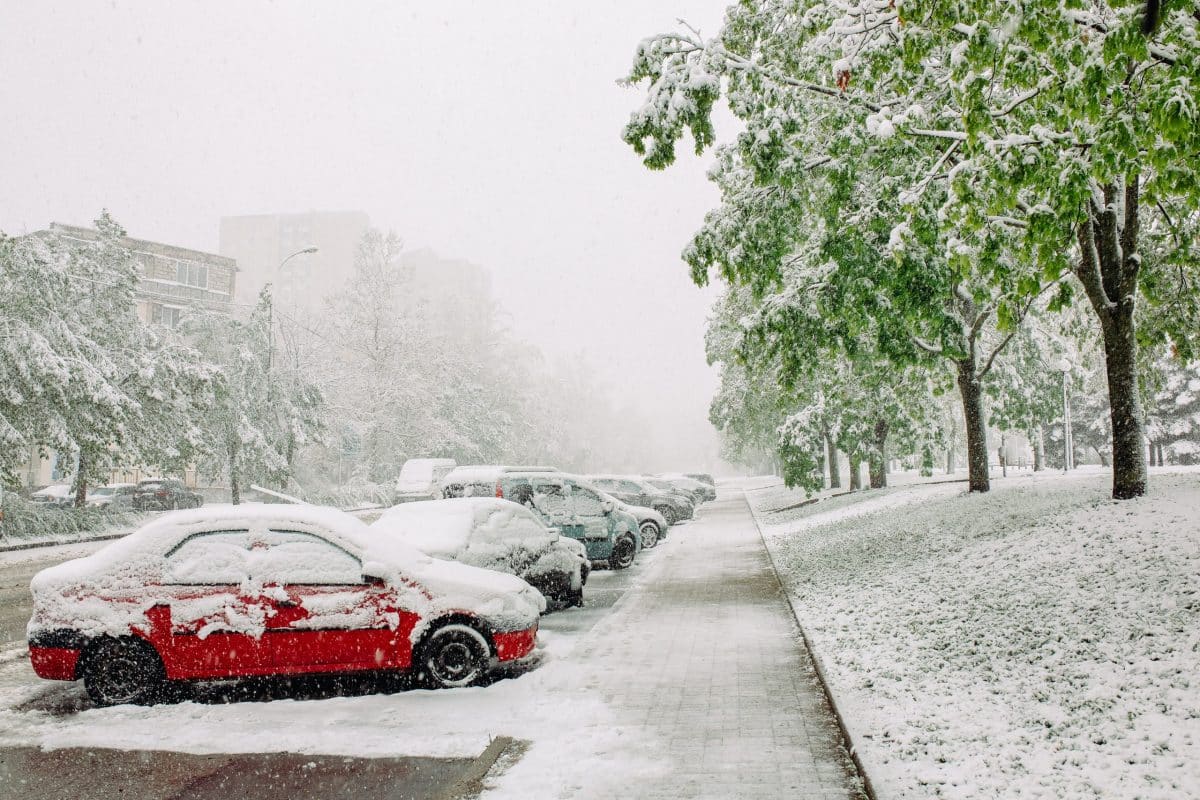
When winter rolls in, the drop in temperatures can create a challenging environment for your vehicle, especially your windshield. Windshield cracks are a common problem during the colder months, and they often start small but quickly spread. Preventing windshield cracks requires proactive care and attention to how you treat your vehicle in winter. Here are five practical tips to help protect your windshield from cracking as the temperatures plummet.
Avoid Sudden Temperature Changes
One of the most common causes of windshield cracks in cold weather is sudden and extreme temperature changes. Glass expands and contracts with shifts in temperature, and if the change happens too quickly, it can weaken your windshield’s integrity.
For example, pouring hot water on your windshield to melt ice might seem like a quick fix, but it’s a dangerous one. The rapid temperature difference can cause small fractures in the glass to expand instantly. Instead, use a de-icing spray or start your car and let the heater warm the windshield gradually. This approach is not only safer but also more effective.
Another tip is to avoid parking your car in direct sunlight after it has been exposed to freezing conditions. The rapid warming from the sun can lead to thermal stress, making any existing chips or weak points worse. Whenever possible, park in a garage or shaded area to keep your windshield at a more consistent temperature.
Keep Your Windshield Clean
Dirt and debris on your windshield can trap moisture, which then freezes in cold weather. As ice expands, it can press against the surface of the glass, creating tiny chips that may evolve into full-blown windshield cracks over time.
To prevent this, clean your windshield regularly with a high-quality glass cleaner. Pay special attention to removing any grit or salt from the road, as these substances can scratch your windshield and exacerbate existing damage. If you spot even minor chips or imperfections, address them promptly to stop them from growing into larger cracks.
Additionally, make sure your wiper blades are in good condition. Old or damaged wipers can drag debris across the surface of your windshield, increasing the risk of scratches and eventual cracks. Replacing your wipers before the start of winter is a simple way to prevent unnecessary damage.
Inspect and Repair Chips Early
Windshield chips may seem harmless at first glance, but they can quickly escalate into cracks, especially in cold weather. Temperature fluctuations cause the glass to expand and contract, putting additional stress on any existing damage.
Inspect your windshield regularly, especially after long drives or during harsh weather. If you notice a chip, don’t ignore it. Professional repair services can often fix minor damage quickly and affordably, preventing the need for a full windshield replacement later.
For small chips, a DIY repair kit can be a temporary solution, but it’s always best to have a professional evaluate the damage. According to experts at the National Glass Association, repairing chips early can significantly extend the lifespan of your windshield and maintain its structural integrity. For more insights into why timely repairs matter, check out this guide on winter car maintenance.
Use a Windshield Cover
A windshield cover is a simple yet effective way to protect your car from the harsh effects of cold weather. These covers act as a barrier, preventing ice and snow from accumulating on the glass and reducing the risk of windshield cracks caused by scraping or sudden thawing.
When choosing a cover, look for one designed specifically for winter use. These covers are typically made from insulated materials that shield your windshield from extreme temperatures. Using a cover consistently throughout the winter months can save you time and effort while protecting your glass.
If a cover isn’t an option, consider using a tarp or other protective material. Just make sure it’s securely fastened to prevent it from slipping or blowing away in the wind. Taking this simple step can make a big difference in maintaining the health of your windshield.
Check Your Defrost Settings
Improper use of your car’s defrost system can also contribute to windshield cracks. While it’s tempting to crank up the heat to clear frost quickly, excessive or uneven heating can stress the glass and cause damage over time.
To avoid this, start with a lower temperature setting and gradually increase the heat. Direct the airflow evenly across the windshield rather than concentrating it in one spot. Modern vehicles often have settings specifically designed to prevent uneven heating, so consult your owner’s manual for best practices.
Additionally, avoid using tools like metal scrapers to remove frost, as they can scratch or chip your windshield. Instead, use a soft-bristled brush or a plastic scraper designed for automotive glass. Combining these strategies with proper defrost settings can help you prevent cracks and extend the life of your windshield.
Take Action to Protect Your Windshield
Windshield cracks can be costly and inconvenient, especially during winter. By avoiding sudden temperature changes, keeping your windshield clean, addressing chips early, using a windshield cover, and managing your defrost settings, you can significantly reduce the risk of damage. Preventing windshield cracks requires proactive care, but the effort is well worth it.
If your windshield has already sustained damage or you want professional advice on protecting your vehicle, Bama Auto Glass is here to help.