
Auto Glass and UV Protection: Shielding Your Interior from the Sun
The Importance of Auto Glass and UV Protection
Auto glass and UV protection play a crucial role in maintaining your vehicle’s interior and ensuring the well-being of its passengers. The harmful ultraviolet (UV) rays from the sun can cause significant damage to the interior components of your car and pose health risks to those inside. Understanding the benefits of UV-protective auto glass is essential for every vehicle owner.
UV rays are a type of electromagnetic radiation emitted by the sun. Prolonged exposure to these rays can lead to the fading and deterioration of your car’s interior materials, such as upholstery, dashboard, and carpeting. More importantly, UV exposure can cause skin damage and increase the risk of skin cancer for passengers. Therefore, UV-protective auto glass protects your vehicle and its occupants.
How UV Rays Affect Vehicle Interiors

The effects of UV rays on your vehicle’s interior are often overlooked, yet they can be quite severe. Continuous exposure to sunlight can cause the colors of your upholstery to fade and the materials to become brittle. Leather seats, for example, can crack and deteriorate over time, leading to costly repairs or replacements. Similarly, due to UV exposure, plastic components such as dashboards and center consoles can warp and discolor.
Moreover, the heat generated by UV rays can increase the temperature inside your car, making it uncomfortable for passengers and putting additional strain on your air conditioning system. This affects the comfort level and fuel efficiency as the air conditioning works harder to cool down the interior.
The Health Risks of UV Exposure for Passengers
While the impact of UV rays on your vehicle’s interior is significant, the health risks to passengers are even more concerning. UV radiation is known to cause skin damage, including sunburn and premature aging. Long-term exposure increases the risk of developing skin cancer, the most common form of cancer in the United States.
Passengers, especially those with sensitive skin or those who spend a lot of time in the car, are at risk of harmful UV exposure. Even on cloudy days, up to 80% of UV rays can penetrate the clouds, making proper protection essential. UV-protective auto glass helps reduce this risk by blocking a significant portion of these harmful rays.
Types of UV-Protective Auto Glass
Several types of UV-protective auto glass are available, each with its benefits. The most common types include laminated and tempered glass, which can be treated with UV-blocking films or coatings to enhance their protective properties.
Laminated glass consists of two layers of glass with a layer of plastic in between. This design improves safety by preventing the glass from shattering upon impact and provides excellent UV protection. The plastic interlayer can block up to 99% of UV rays, making it an ideal windshield choice.
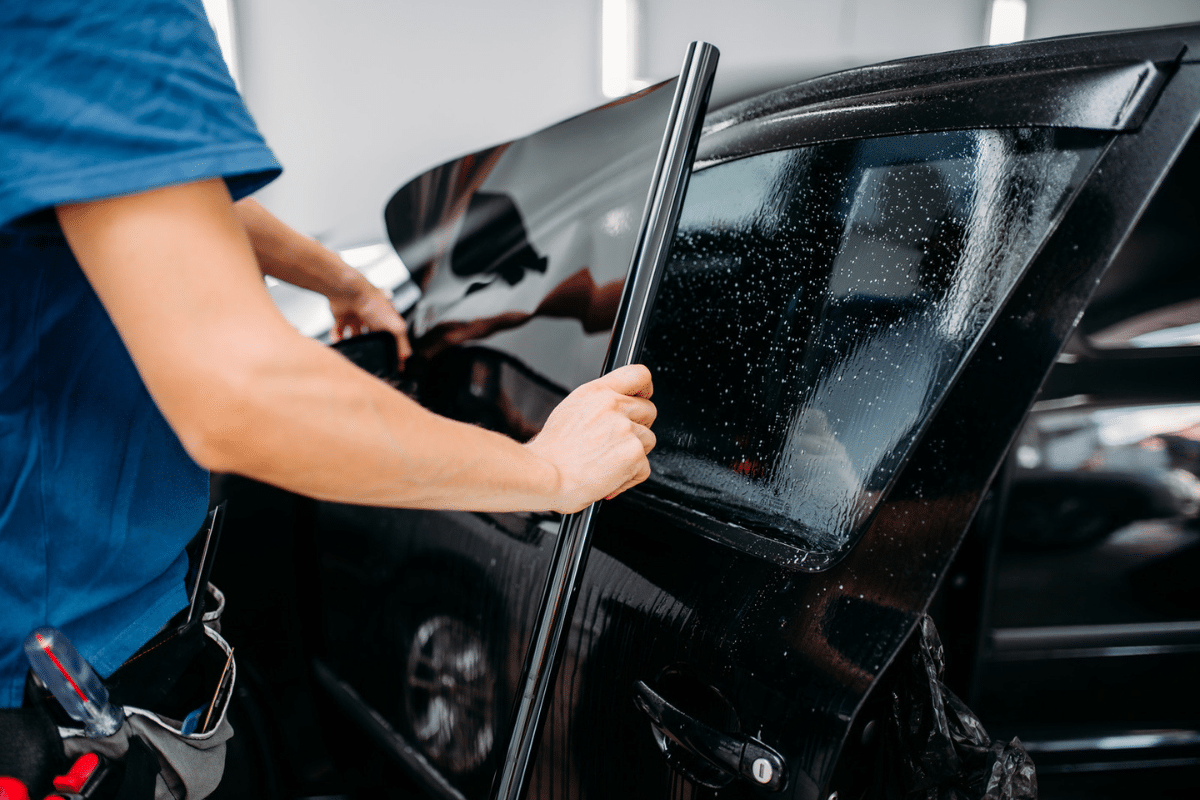
On the other hand, tempered glass is heat-treated to increase its strength. While it offers some UV protection, it is not as effective as laminated glass. However, UV-blocking films can enhance it, significantly improving its protective capabilities. These films can be applied to side and rear windows, providing comprehensive UV protection for the entire vehicle.
Benefits of UV-Protective Auto Glass
The benefits of UV-protective auto glass extend beyond safeguarding your vehicle’s interior and protecting passengers from health risks. One notable advantage is the glare reduction. UV-protective glass can filter out a significant amount of the sun’s glare, improving visibility and reducing eye strain for the driver.
Additionally, UV-protective auto glass can enhance your vehicle’s overall comfort. Blocking a substantial portion of the sun’s heat helps maintain a cooler interior temperature, reducing reliance on air conditioning and improving fuel efficiency. This can be particularly beneficial when the sun’s intensity peaks during a hot summer.
How to Choose the Right UV-Protective Auto Glass
Selecting the right auto glass and UV protection for your vehicle involves considering several factors. Firstly, determine the level of UV protection you require. Advances in Auto Glass and UV Protection have led to options like laminated glass with a high UV-blocking capability for maximum protection, especially for the windshield. Tempered glass with UV-blocking films can provide adequate side and rear window protection.
Another factor to consider is the quality of the glass and the manufacturer’s reputation. Ensure that the auto glass meets industry standards for safety and UV protection. Consulting with a professional auto glass technician can help you make an informed decision based on your specific needs and budget.
The Installation Process of UV-Protective Auto Glass
A qualified technician should always install UV-protective auto glass to ensure proper fit and functionality. The process typically involves removing the old glass, preparing the vehicle for installation, and carefully fitting the new UV-protective glass.
Professional installation ensures the glass is securely in place and the UV-blocking properties are not compromised. Additionally, a professional installer can guide you in maintaining the glass to preserve its protective features over time.
Maintenance Tips for UV-Protective Auto Glass
Maintaining UV-protective auto glass involves regular cleaning and inspection to ensure its effectiveness. Use a gentle glass cleaner and a soft cloth to avoid scratching the surface. Avoid using abrasive materials or harsh chemicals that can damage the UV-blocking films or coatings.
Regularly inspect the glass for any signs of damage, such as cracks or chips. Even minor damage can compromise the glass’s protective properties and should be addressed promptly. Professional repair or replacement may be necessary to maintain the integrity of the UV protection.
Future Trends in Auto Glass and UV Protection
The automotive industry continues innovating, with auto glass technology advancements to enhance UV protection. Future trends include the development of smart glass that can adjust its tint based on sunlight intensity, providing optimal UV protection and glare reduction.
Additionally, researchers are exploring new materials and coatings that can offer even greater UV-blocking capabilities. As awareness of the importance of UV protection grows, auto glass and UV protection will likely become a standard feature in more vehicles, providing enhanced safety and comfort for all passengers.