
The Benefits of Laminated vs. Tempered Glass in Your Vehicle
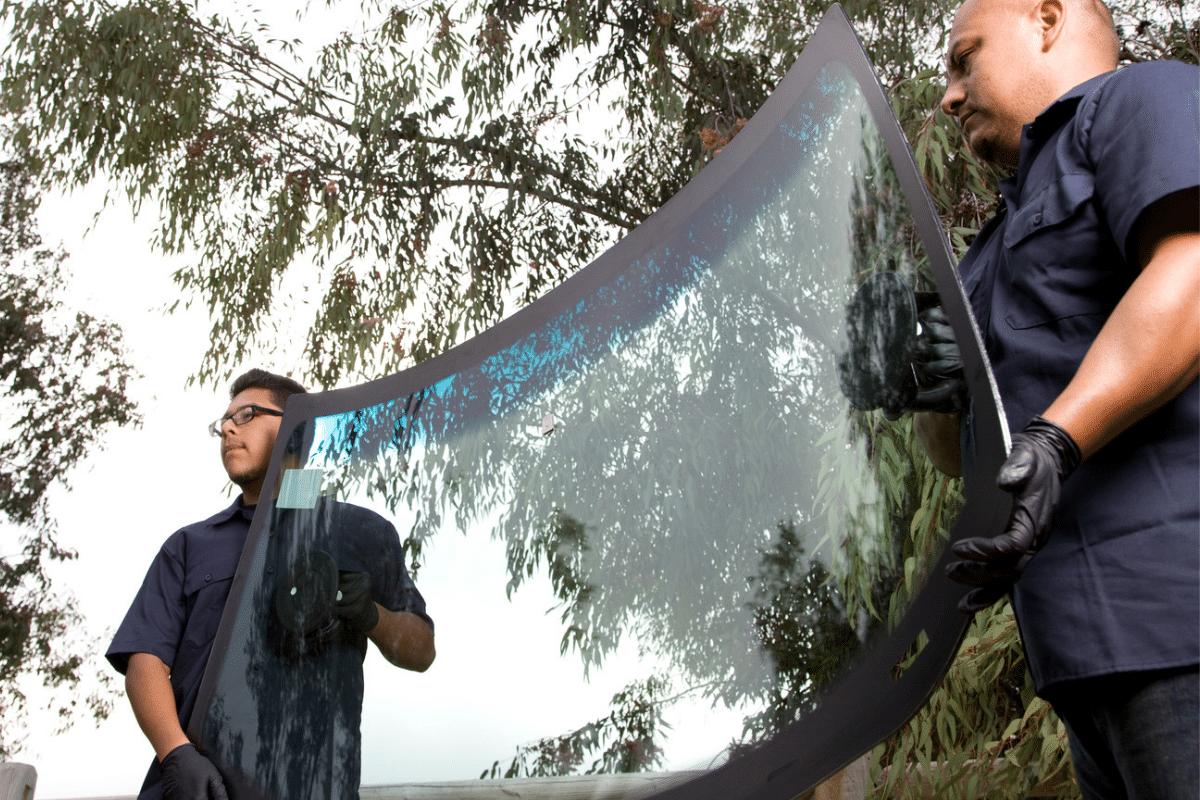
When it comes to automotive safety and performance, the choice between laminated and tempered glass is crucial. Understanding the benefits of each can help you make informed decisions about your vehicle’s windows and windshields. This blog will explore the differences, benefits, and applications of laminated vs. tempered glass, ensuring you know which type best suits your vehicle’s parts.
Laminated vs. Tempered Glass: An Overview

Laminated glass and tempered glass are the two primary types of glass used in vehicles. Laminated glass comprises two or more layers of glass with an interlayer of polyvinyl butyral (PVB). This structure makes it highly durable and resistant to shattering. On the other hand, tempered glass is heat-treated to increase its strength. When broken, it is designed to crumble into small, blunt pieces rather than sharp shards.
Understanding the properties of laminated vs. tempered glass is essential for recognizing their respective benefits and applications in vehicle safety.
Safety Features of Laminated Glass
Laminated glass is primarily used in windshields due to its safety features. The PVB interlayer holds the glass together even when shattered, preventing it from breaking into large, dangerous pieces. This feature significantly reduces the risk of injury in an accident.
Additionally, laminated glass provides a barrier against external objects, offering better protection against impacts. It also enhances the vehicle’s structural integrity, preventing the roof from collapsing in rollover accidents.
Safety Features of Tempered Glass
Tempered glass, often used in side and rear windows, is designed to crumble into small, blunt pieces upon impact. This characteristic reduces the risk of severe injuries by preventing sharp, jagged shards from causing cuts or puncture wounds.
Another advantage of tempered glass is its ability to withstand sudden temperature changes. This makes it ideal for areas of the vehicle exposed to extreme heat or cold, ensuring that the glass does not crack or shatter due to thermal stress.
Durability and Strength Comparison
Durability is a crucial factor when comparing laminated vs. tempered glass. Laminated glass is exceptionally durable due to its layered construction. The PVB interlayer provides additional strength, making it more resistant to impacts and penetration.
Tempered glass, while strong, is more prone to breaking under impact than laminated glass. However, its strength lies in its ability to disperse energy upon breaking, reducing the likelihood of injury from sharp shards.
Noise Reduction and Comfort
Laminated glass offers superior noise reduction compared to tempered glass. The PVB interlayer acts as a sound barrier, dampening external noises and providing a quieter cabin environment. This feature is particularly beneficial for long drives and enhances overall comfort.
While effective in many applications, tempered glass does not offer the same level of noise reduction as laminated glass. Laminated glass is better for vehicle owners who prioritize a quiet driving experience.
UV Protection and Heat Insulation
Laminated glass provides excellent UV protection and heat insulation. The PVB interlayer blocks significant UV rays, protecting passengers and the vehicle’s interior from harmful effects. It also helps maintain a cooler cabin temperature, reducing the reliance on air conditioning.
Tempered glass offers some UV protection but is less effective than laminated glass. Vehicle owners looking for enhanced UV protection and heat insulation should consider laminated glass for windshields and windows.
Applications in Different Vehicle Parts
The application of laminated vs. tempered glass in vehicles varies based on the specific needs of each part. Due to its safety and durability features, laminated glass is predominantly used in windshields. It ensures the windshield remains intact during collisions, providing a clear line of sight and protection against flying debris.
Tempered glass is commonly used in side and rear windows. Its ability to break into tiny, blunt pieces makes it suitable for these areas, minimizing the risk of injury in side impacts and rollovers.
Cost Considerations
Cost is an essential factor when choosing between laminated and tempered glass. Laminated glass is generally more expensive due to its complex manufacturing process and additional benefits. However, its enhanced safety, noise reduction, and UV protection can justify the higher cost.
Tempered glass is more affordable and provides adequate safety for side and rear windows. Vehicle owners should weigh the benefits of each type against their budget to make an informed decision.
Maintenance and Replacement
Another consideration is maintaining and replacing vehicle glass. When comparing laminated vs. tempered glass, it’s important to note that laminated glass, due to its durability, may require fewer replacements over the vehicle’s lifespan. However, any damage to laminated glass, such as chips or cracks, should be addressed promptly to maintain safety.
While more prone to breaking, tempered glass is easier and cheaper to replace. Quick replacements ensure the vehicle remains safe and functional without significant downtime or expense.
Environmental Impact
The environmental impact of laminated vs. tempered glass is also worth considering. With its longer lifespan and UV protection, laminated glass can save energy by reducing the need for air conditioning. This benefit can have a positive environmental impact over time.
Tempered glass, being more accessible and cheaper to produce, has a lower initial environmental footprint. However, its frequent replacement may offset this benefit. Vehicle owners should consider the long-term environmental impact of their choice.
Making the Right Choice for Your Vehicle
Each type of glass has distinct advantages. Laminated glass offers superior safety, noise reduction, and UV protection, making it ideal for windshields and other critical areas. With its shatter-resistant properties and affordability, tempered glass suits side and rear windows.
Choosing the correct type of glass for your vehicle depends on your specific needs and priorities. Whether you prioritize safety, comfort, or cost, understanding the benefits of laminated vs. tempered glass will help you make the best decision for your vehicle.